
John McGivern’s Main Streets
explores the towns, cities, and neighborhoods shaped by the people who live and work there. John McGivern brings attention to local businesses, community institutions, traditions, and gathering places, building a clear picture of what gives each community its distinct identity.
Through specific stories and everyday voices, the series shows how people, history, and place come together along a community’s main streets.
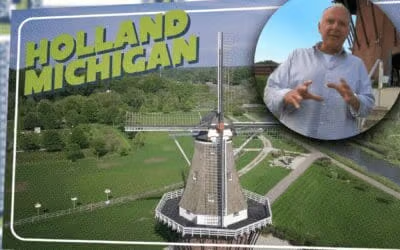
Holland, Michigan
Get ready for all things Dutch,and much more. John McGivern clomps around in wooden shoes at Windmill Gardens, satisfies his sweet tooth at Nelis’ Dutch Village and DeBoer Bakery, cherishes his wooden bowl from the Holland Bowl Mill, and is enthralled at the only Delft factory in North America.
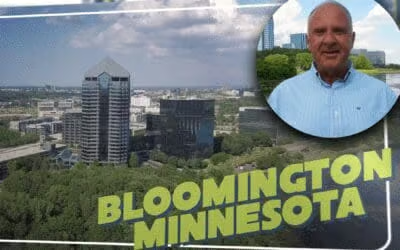
Bloomington, Minnesota
Bloomington Minnesota is home to the Mall of America, and the behind-the-scenes tour was full of surprises for John McGivern.
The rest of the city was also full of surprises. He didn’t expect to find a ski-jump, the largest bicycle products distributor in America, the first tap room in Minnesota and a goat farm!
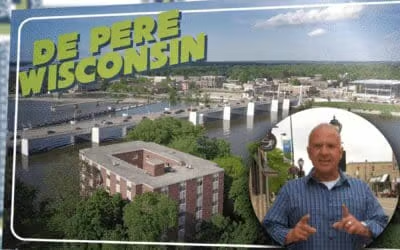
De Pere, Wisconsin
De Pere, WI is sometimes called a suburb of Green Bay, but don’t say that to anyone who lives there.
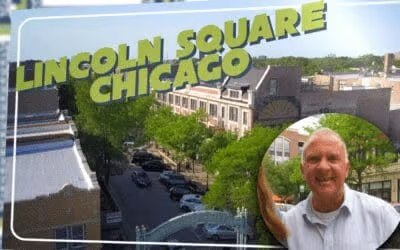
Lincoln Square, Chicago
Chicago’s Lincoln Square neighborhood boasts a main street straight out of a Norman Rockwell painting. John McGivern enjoys the German roots still present, but also finds many ethnicities in this diverse neighborhood.
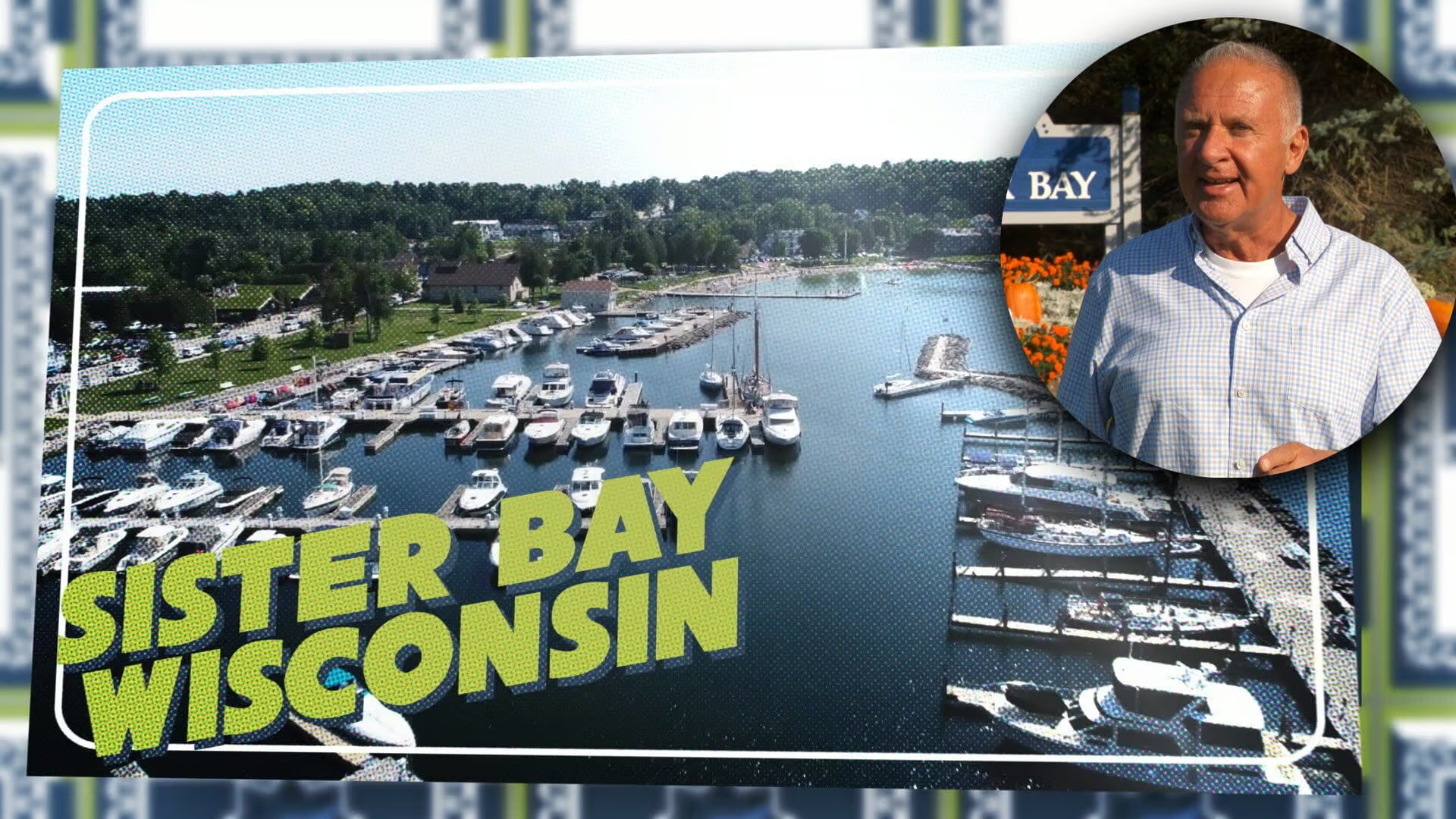
Sister Bay, Wisconsin
If you googled popular Wisconsin tourist spots, Sister Bay would definitely be at the top of the list. Sister Bay was named after the...
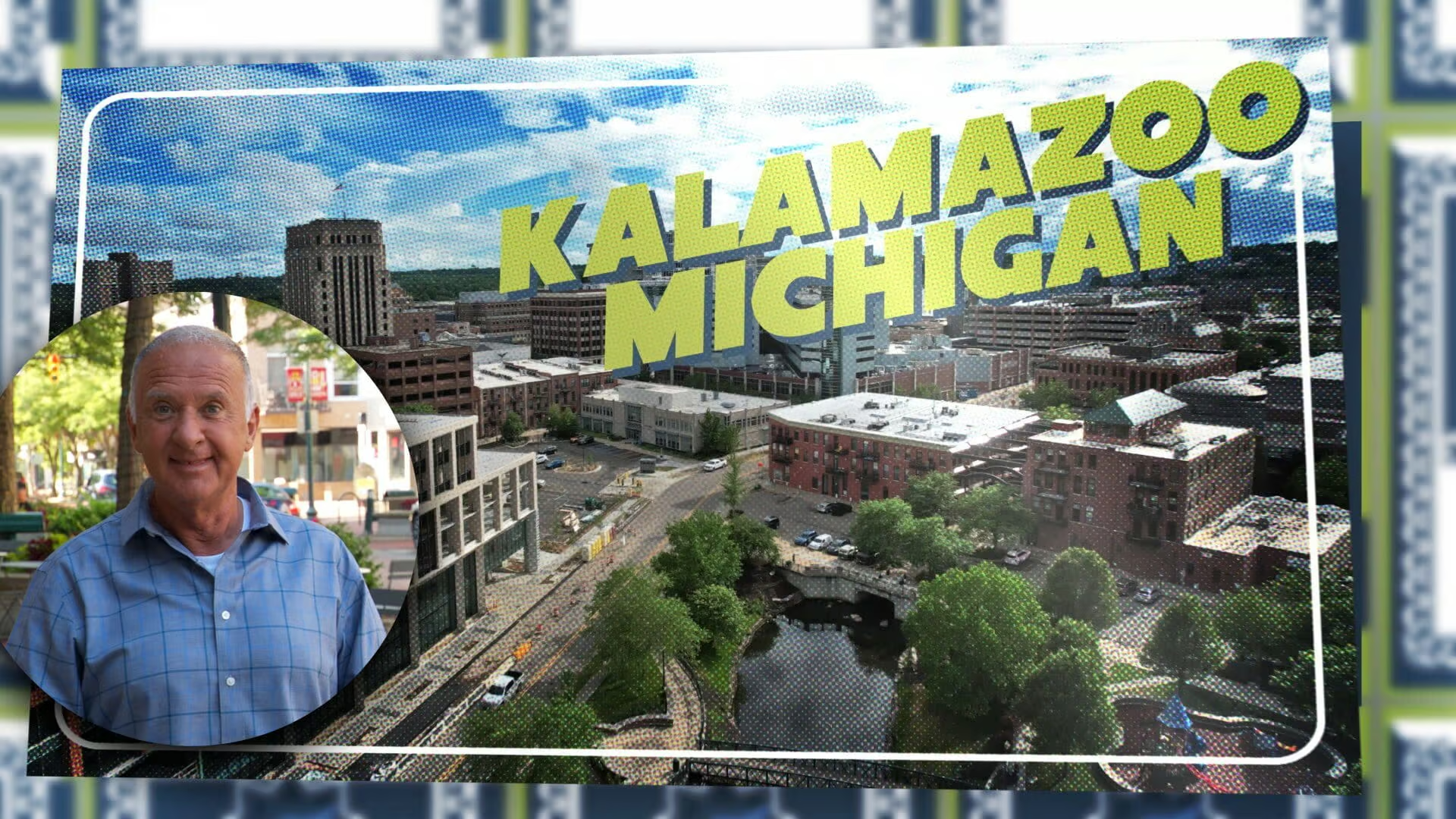
Kalamazoo, Michigan
n 1900, Kalamazoo was the celery capital of the world! No kidding. The nearby “mucklands” –which must not exist where I live-are perfect for growing celery! Earlier, in the second half of the 1800’s, Kalamazoo was known as paper city. The Bryant Paper Company here in Kalamazoo became largest Michigan manufacturer of book paper. And by World War II, a score of local mills made Kalamazoo the largest paper producer in the nation.
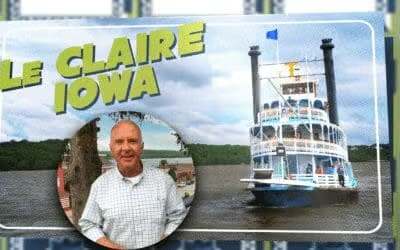
Le Claire, Iowa
Le Claire is a storied river town, a classic Mississippi River port that boomed in the mid-19th century. The old river pilot homes are...
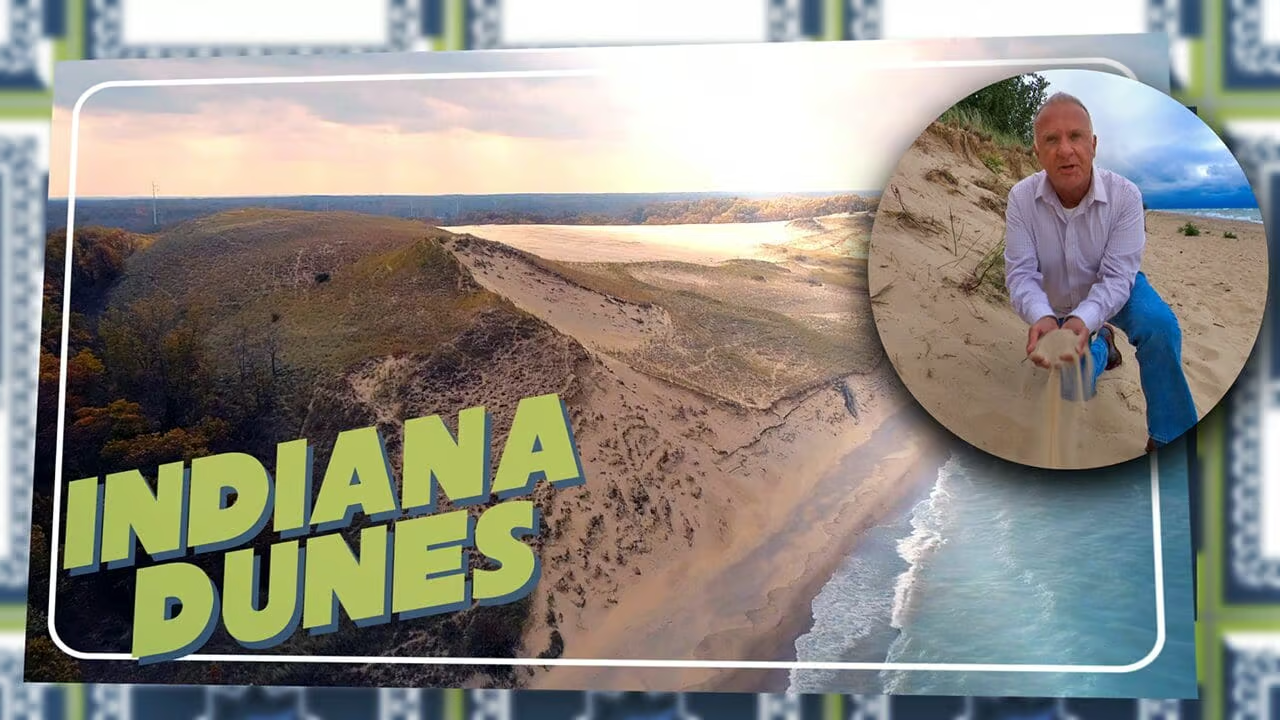
Indiana Dunes
Formed more than 10-thousand years ago by glaciers, the area was first home the Miami and Potawatomi tribes. The area quickly thrived thanks to its location to not just Lake Michigan, but also rivers –helping the fur trade and eventually steel production, flourish. But water wasn’t the only mode of transpiration that brought in commerce. Railroads brought in goods and people.
Today, the Indiana Dunes are a hot spot for visitors in the Midwest and beyond.
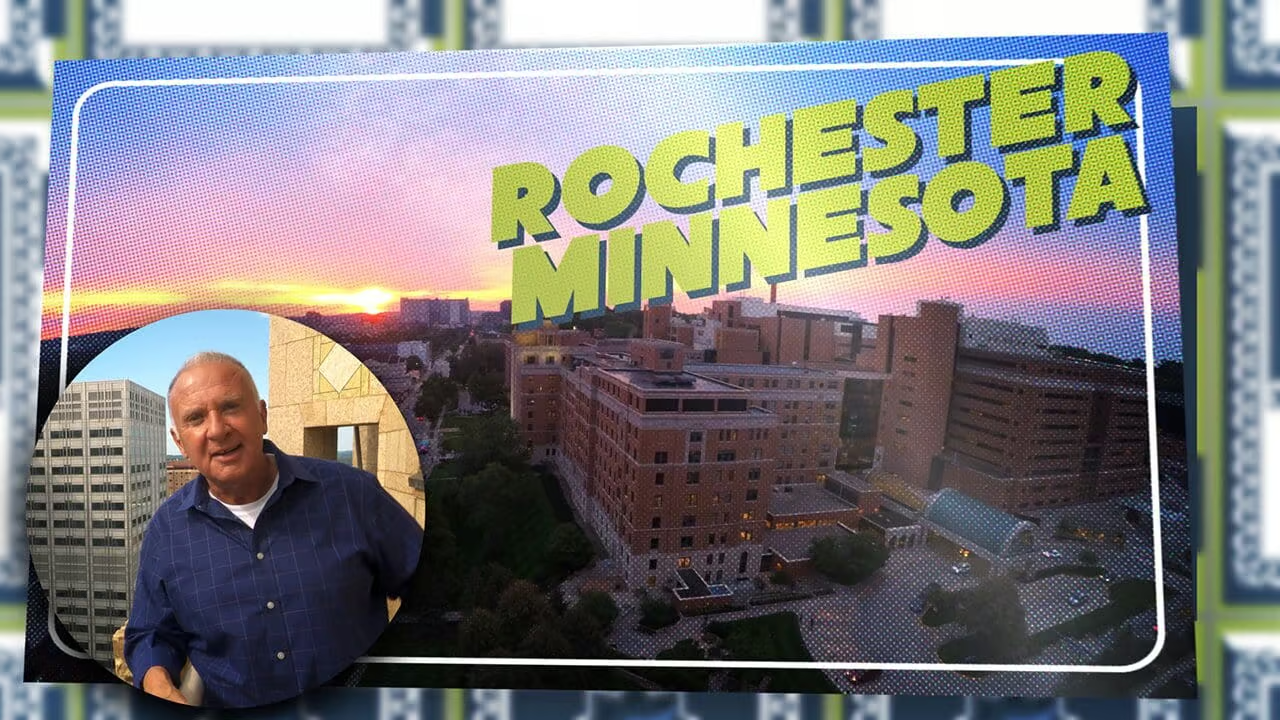
Rochester, Minnesota
Rochester is located in Southeastern Minnesota. It’s about an hour and a half drive south west of the Twin Cities and about 50 miles due east of Winona on the Mississippi River. Today, Rochester has residents and visitors from all around the world. The population of the city is about 120,000 and the Mayo Clinic employs over 40,000 of them.
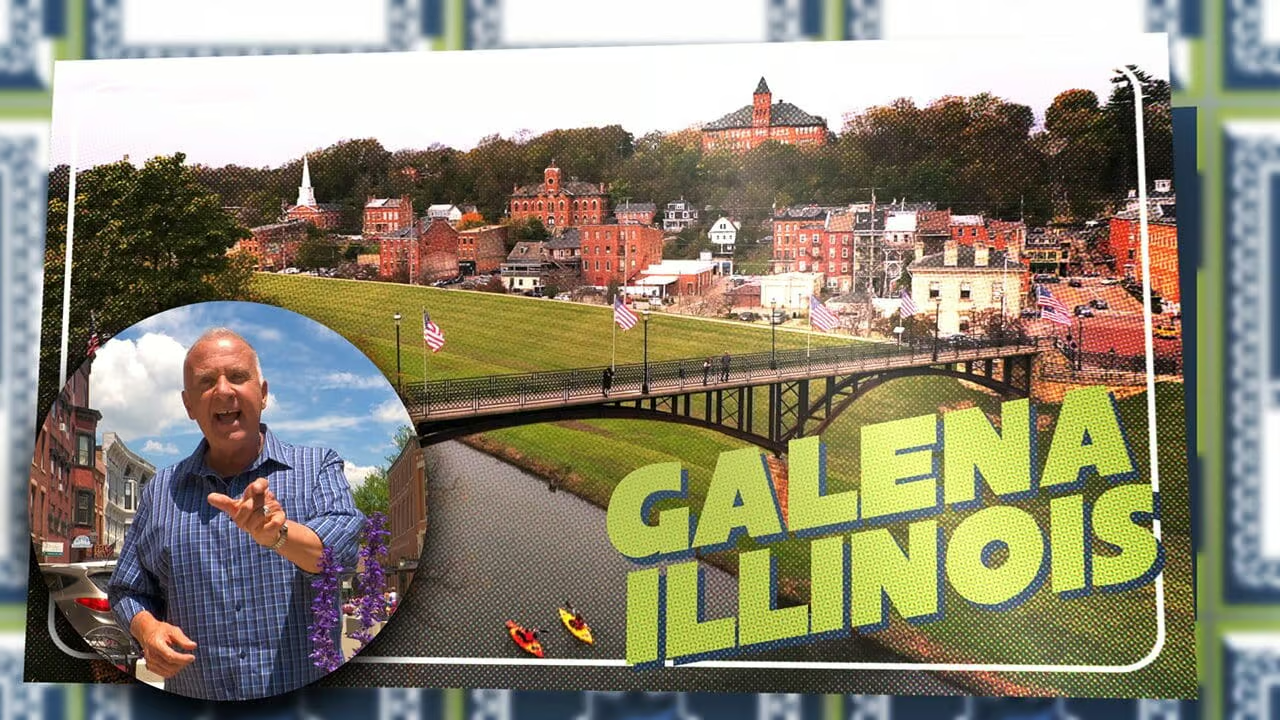
Galena, Illinois
This charming town in northwest Illinois is named after a mineral mined here 20 years before the gold rush in California.
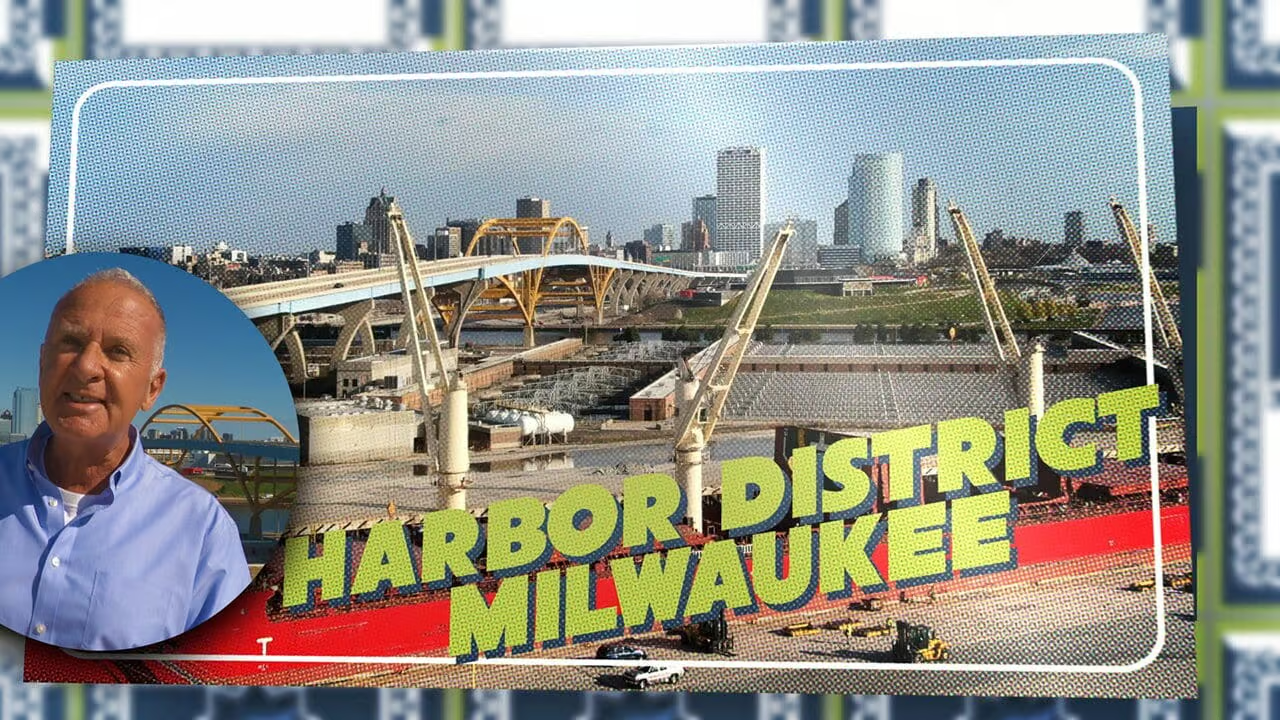
Milwaukee’s Harbor District
As the name proclaims…The Harbor District begins at the mouth of the Lake Michigan Harbor and stretches southdown the river.
The Harbor District surrounds Milwaukee’s Inner Harbor–the place where our three rivers come together –The Milwaukee, Menomonee and Kinnickinnic River all flow into the harbor of Milwaukee at Lake Michigan.
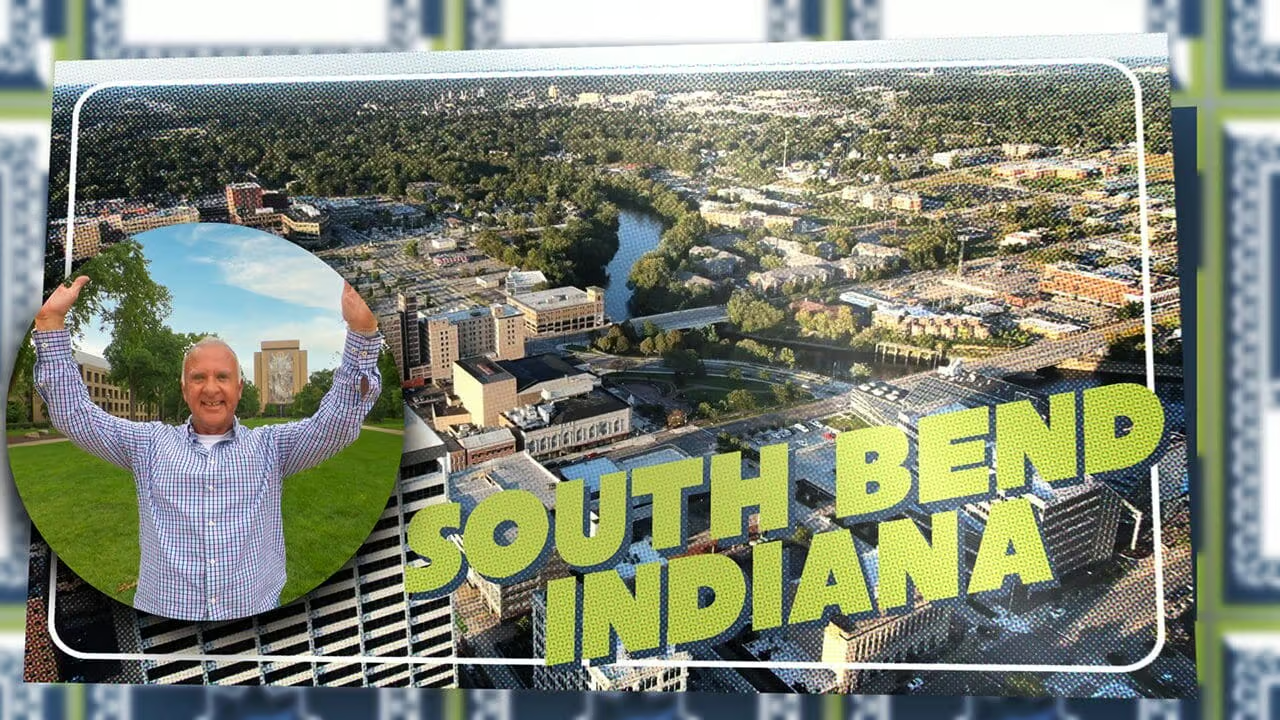
South Bend, Indiana
The history of this midwestern city is rooted in the river it sits on -and how it’s had to evolve with industry’s past and present…Oh, and also a very famous University that’s next door.
Established in 1865, South Bend saw a business boom in industry thanks to the St. Joseph River. Studebaker, Oliver Chilled Plow, and Singer Sewing machines were just a few of the big names. But we can’t forget the University of Notre Dame. It’s a huge influence on economy and culture in South Bend to this day.
