West Coast, Wisconsin
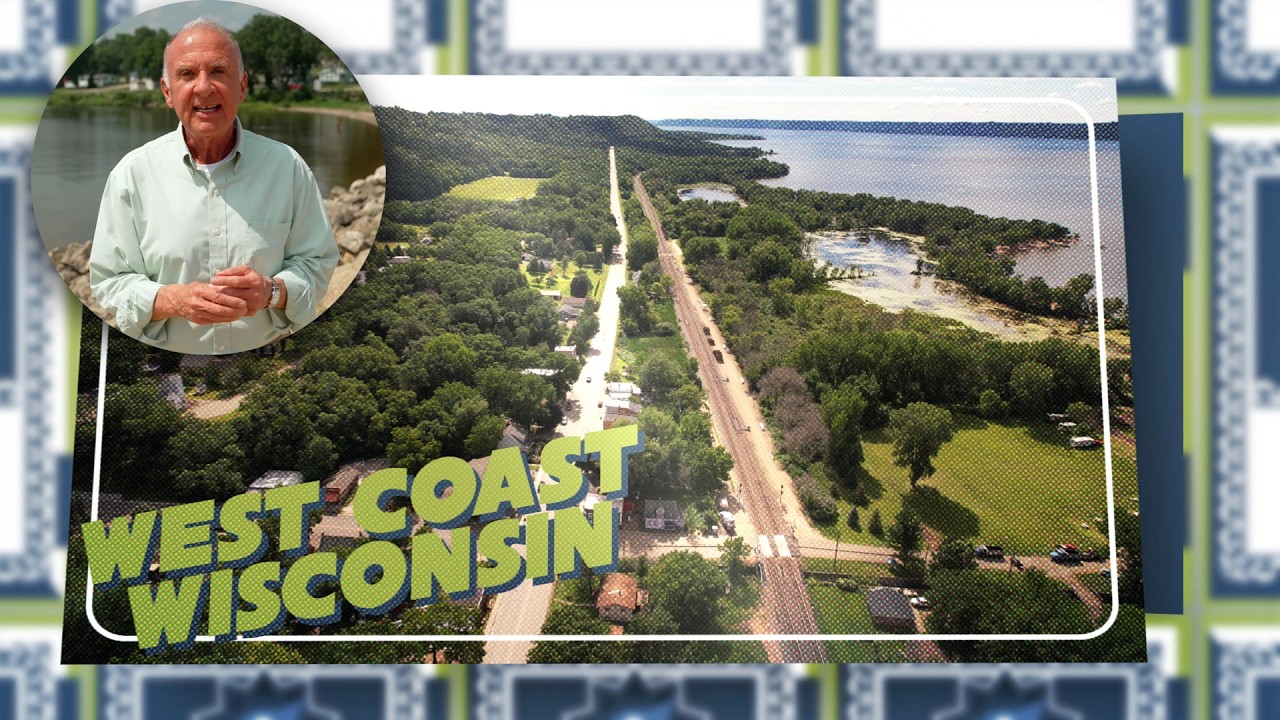
West Coast of Wisconsin unfolds along the Mississippi River as a string of five small communities—Nelson, Pepin, Stockholm, Maiden Rock, and Bay City—connected by the Great River Road and a shared relationship with the water. Together, they sit between La Crosse and Minneapolis, overlooking Lake Pepin, the widest natural stretch of the Mississippi River, where geography and history shape daily life.
John McGivern and Emmy Fink move through a region where the past is still visible in place names and traditions. Maiden Rock traces its name to a Dakota story, while Pepin connects to early settlers Jean and Pierre Pepin. Stockholm reflects Swedish immigration, part of a broader wave of late 19th-century arrivals who built lives through farming, fishing, milling, and even pearl button harvesting. That agricultural foundation remains, but the economy has shifted. Over the past two decades, these river towns have become destinations for weddings, weekend visitors, and small-scale tourism tied closely to the landscape.
That shift is visible in businesses rooted in the land. A multi-generation farm evolves into Honey Hill Apiary, where beekeeping supports both agriculture and retail products like honey and beeswax candles. Nearby, a family distillery sources its grain directly from their farm, tying spirits production back to the same soil that sustained earlier generations. Agritourism extends beyond farms, with self-serve roadside stands and pick-your-own operations offering direct access to local goods.
Pepin carries national literary significance as the birthplace of Laura Ingalls Wilder, whose early life in the area informed Little House in the Big Woods. The river itself remains central—not just culturally but environmentally. Lake Pepin’s formation, shaped by sediment from the Chippewa River, now presents ongoing challenges as sedimentation alters depth and habitat. Local and regional partnerships, including the Lake Pepin Legacy Alliance, work to address these changes through restoration and education.
Each town maintains a distinct identity. Stockholm, with fewer than 100 residents, draws thousands during its annual art fair and supports a food culture built around small, high-demand businesses. Pepin’s restaurants and historic sites reflect steady visitor traffic, while Maiden Rock and surrounding rural areas blend agriculture with newer creative and retail ventures.
Across all five communities, the Mississippi River remains the constant reference point—defining direction, shaping livelihoods, and connecting places that, taken together, form what locals call the west coast of Wisconsin.



 Subscribe to Main Streets on YouTube