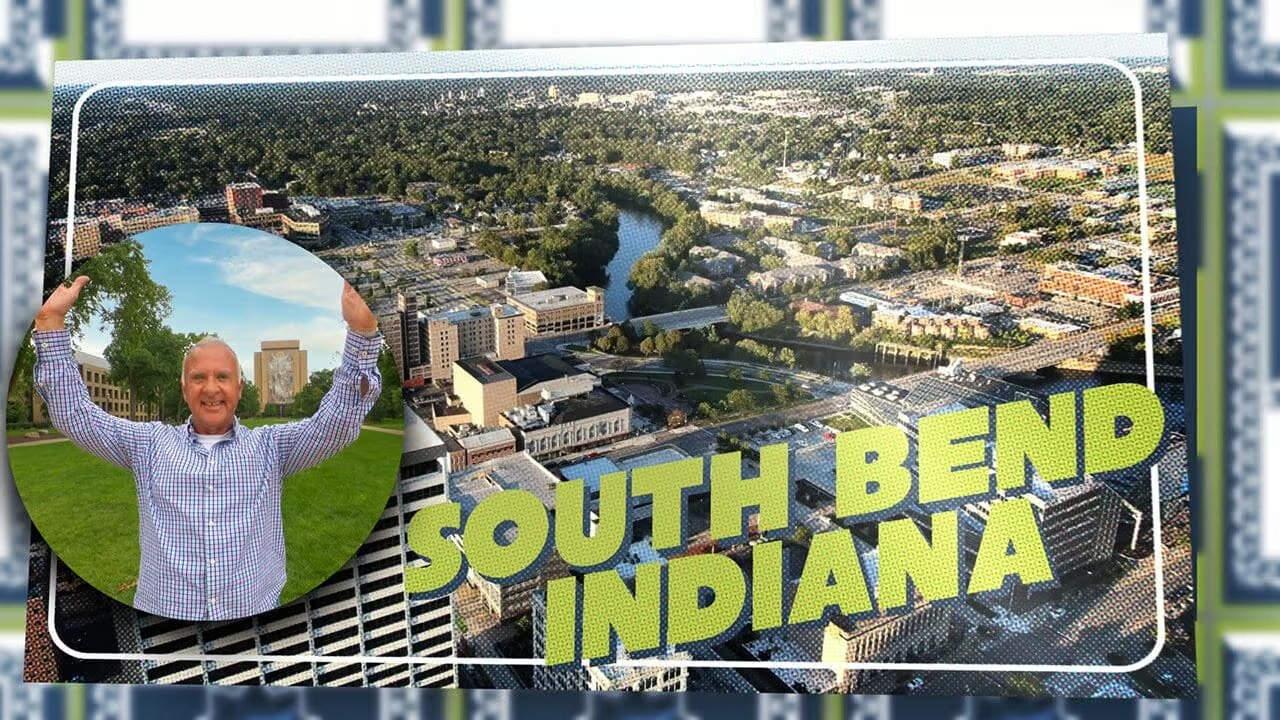
The history of this midwestern city is rooted in the river it sits on -and how it’s had to evolve with industry’s past and present…Oh, and also a very famous University that’s next door.
Established in 1865, South Bend saw a business boom in industry thanks to the St. Joseph River. Studebaker, Oliver Chilled Plow, and Singer Sewing machines were just a few of the big names. But we can’t forget the University of Notre Dame. It’s a huge influence on economy and culture in South Bend to this day.
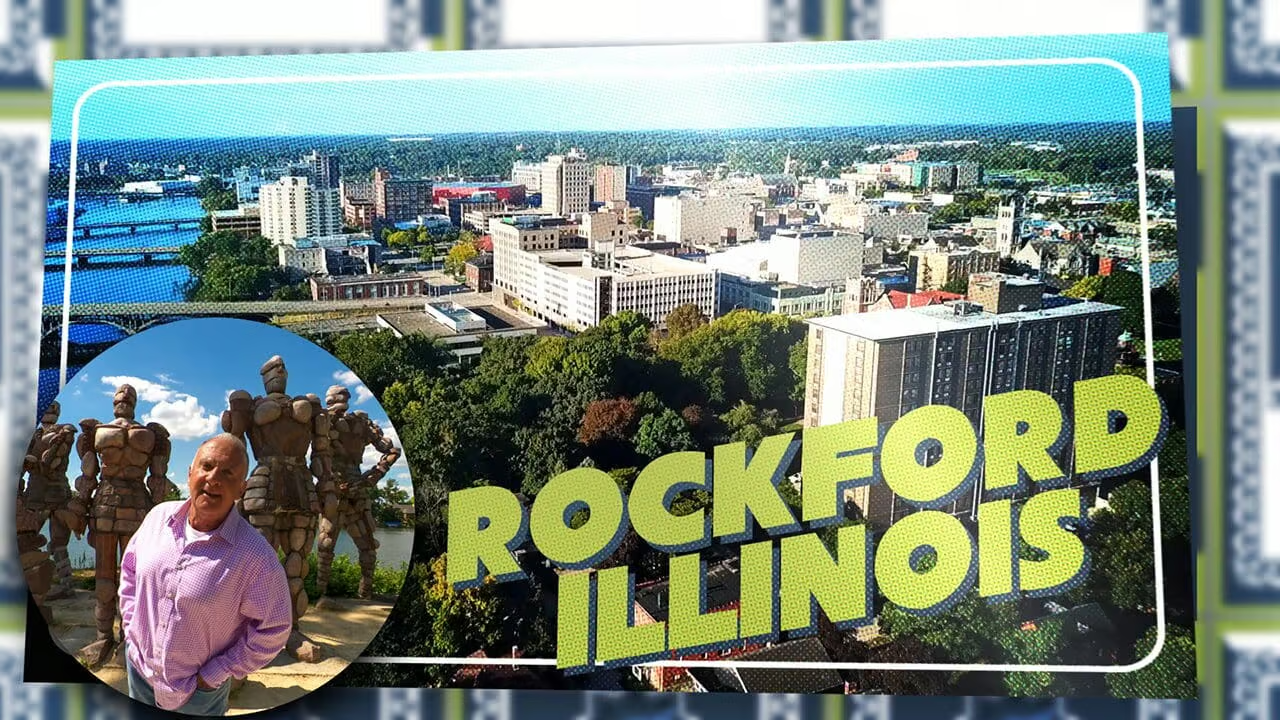
Rockford is the largest city in Illinois outside of the Chicago area. It was originally known as “Midway Village” because, for travelers, it was halfway between Chicago and Galena.
This city was known for industrial manufacturing in the last century but today it’s been retooled into a center for healthcare and aerospace technology.
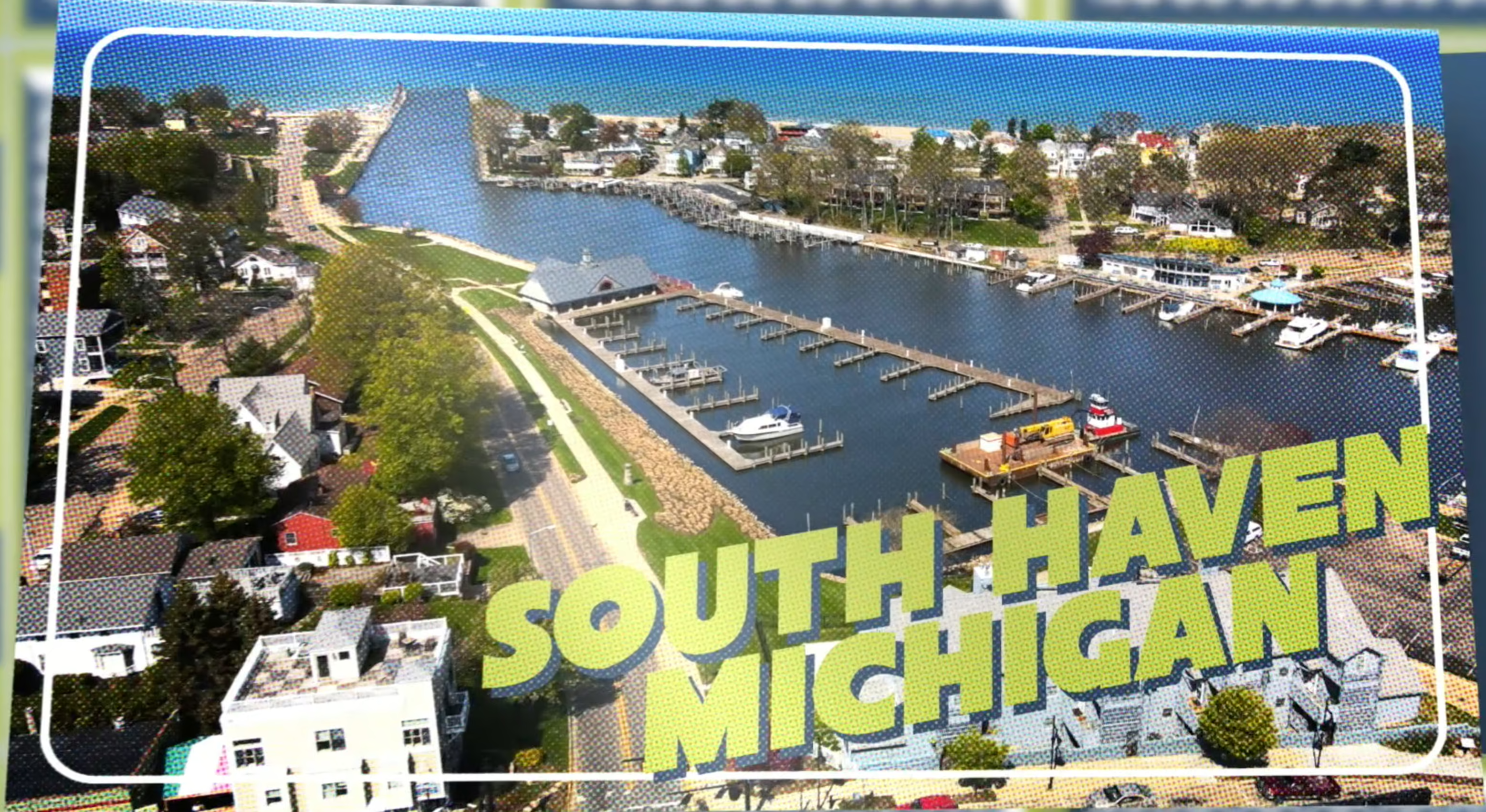
Being right on Lake Michigan, South Haven Michigan has always been a port city. In the late 1800’s the surrounding timber industry gave way to farming, but another industry grew very well here–the resort and tourism industry.
Sandy beaches, lovely lake breezes and a charming downtown still make South Haven a popular summer tourist destination. South Haven is in southwestern Michigan, along Intestate 196 at the mouth of the Black River on the shores of Lake Michigan.
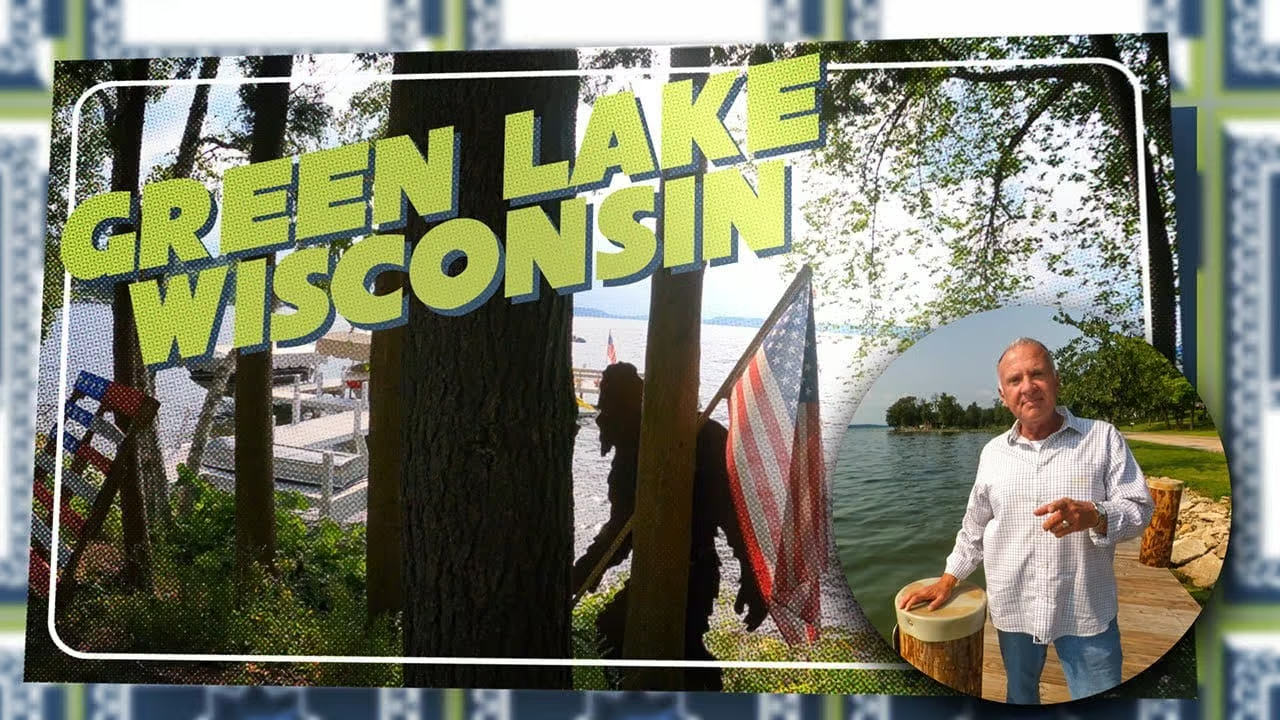
Green Lake is about seven miles wide, and its maximum depth is 237 feet, making it the deepest natural lake in all of Wisconsin.
It’s a great spot for fishing, golfing, sailing, canoeing, hiking, biking, and pretty much any relaxing outdoor activity you can think of. Some people even come here to SCUBA dive.
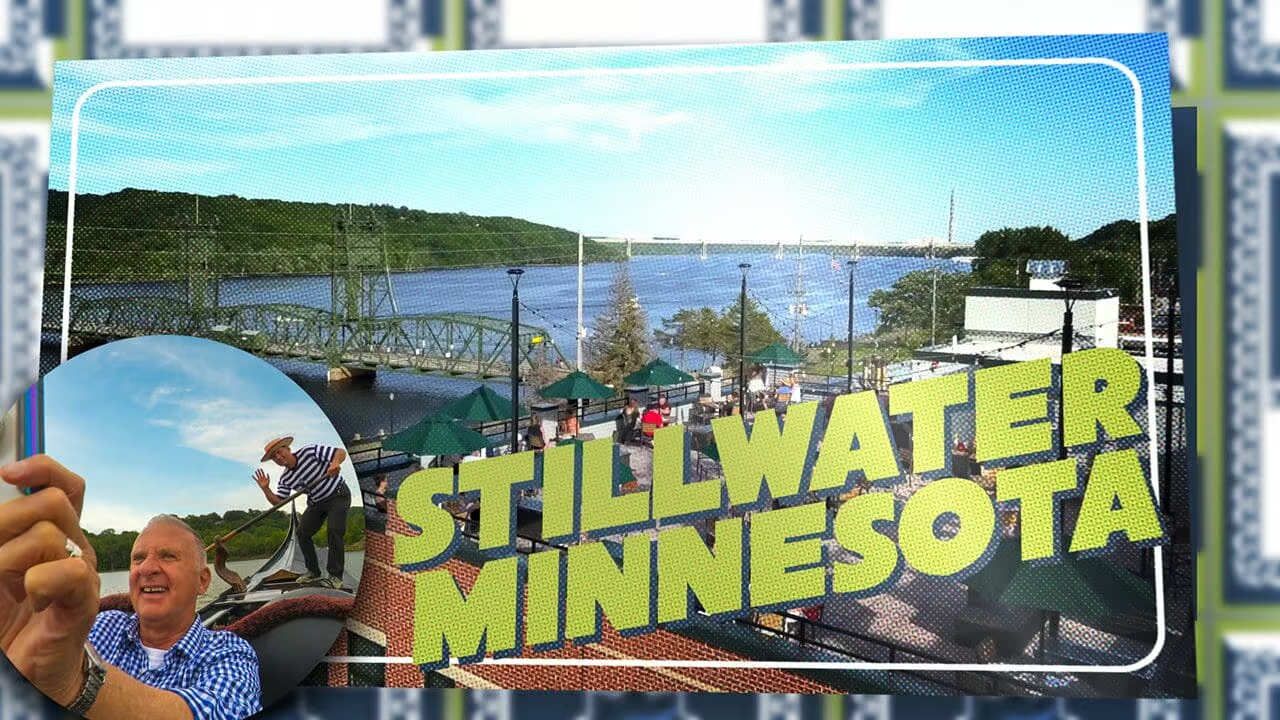
On the corner of Myrtle and Main Streets in Stillwater, Minnesota began.
So why here? Well… when Wisconsin became a state in 1848, that left people west of the St. Croix river “high and dry” with no government.
So, the people of Stillwater held a territorial convention right here and voted to send a delegate to Washington D.C. to organize a new territory called “Minnesota” which became a territory in 1849, and a state in 1858.